
The Children and the Cost of Predation
Blood CanticleThe novel uses vulnerable children and exploited people to distinguish predatory violence from the difficult moral choices made by the vampires.
increasing Bearing strength in each event
 decreasing
Bearing strength in each eventdecreasingChildren Used as Prey
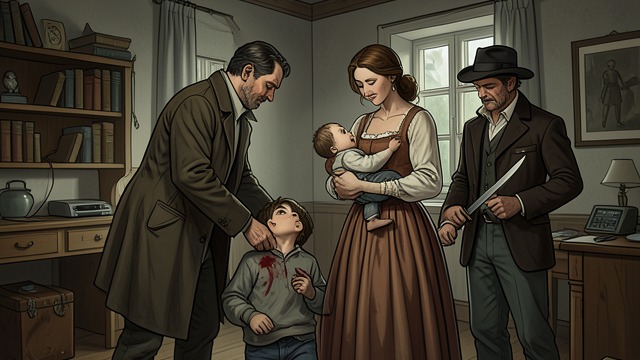
Children Used as Prey
A scene of abuse
Lestat, Quinn, and Mona discover children beaten and used as blood victims by rogue vampires. Mona’s horror is immediate, and the sight overturns the group’s expectation of a straightforward hunt.
The predators’ defense
The rogue vampires cite Lestat’s own past as permission. The accusation forces Lestat to face the moral reach of his confessions as well as the immediate crime.
An Uneasy Punishment
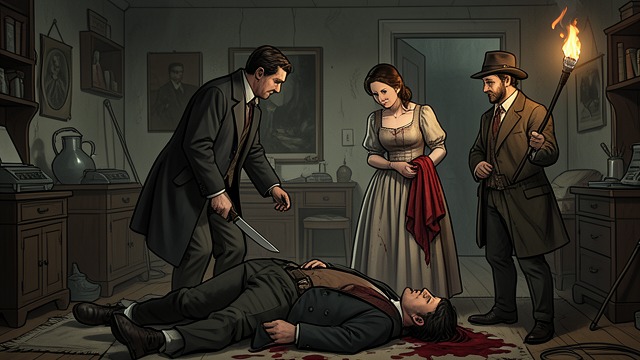
An Uneasy Punishment
Killing the offenders
Lestat directs Quinn and Mona to feed on the pair and then destroys their bodies with fire. The act is framed as punishment for deliberate violence against innocents.
The rescuers are changed
Mona and Quinn experience the intensity of drinking vampire blood, while Lestat feels disgust at his own power. The rescue protects the children but does not make the act of killing morally simple.
The Trafficking Party
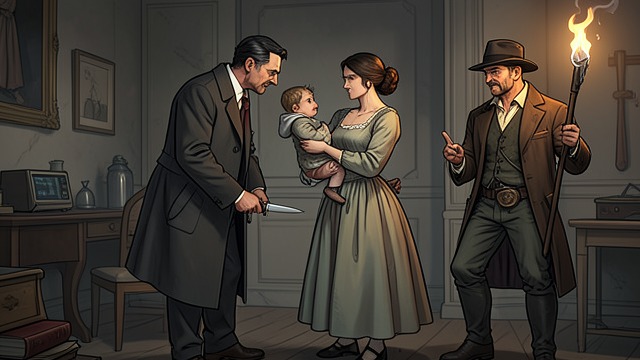
The Trafficking Party
Exploitation exposed
Lestat and the fledglings find a party where a trafficker sells access to women. They identify the gathering as another site of organized predation.
Violence as intervention
The vampires attack the trafficker and his guard, stopping the immediate exploitation. Their actions are forceful and dangerous, continuing the book’s unresolved question of who has the right to punish the wicked.
During the hotel-suite confrontation
Immediately after the vampires are subdued
After Mona’s first nights as a vampire
